

improving light fixtures without spending any money.
transforming lamps and lights for zero dollars.

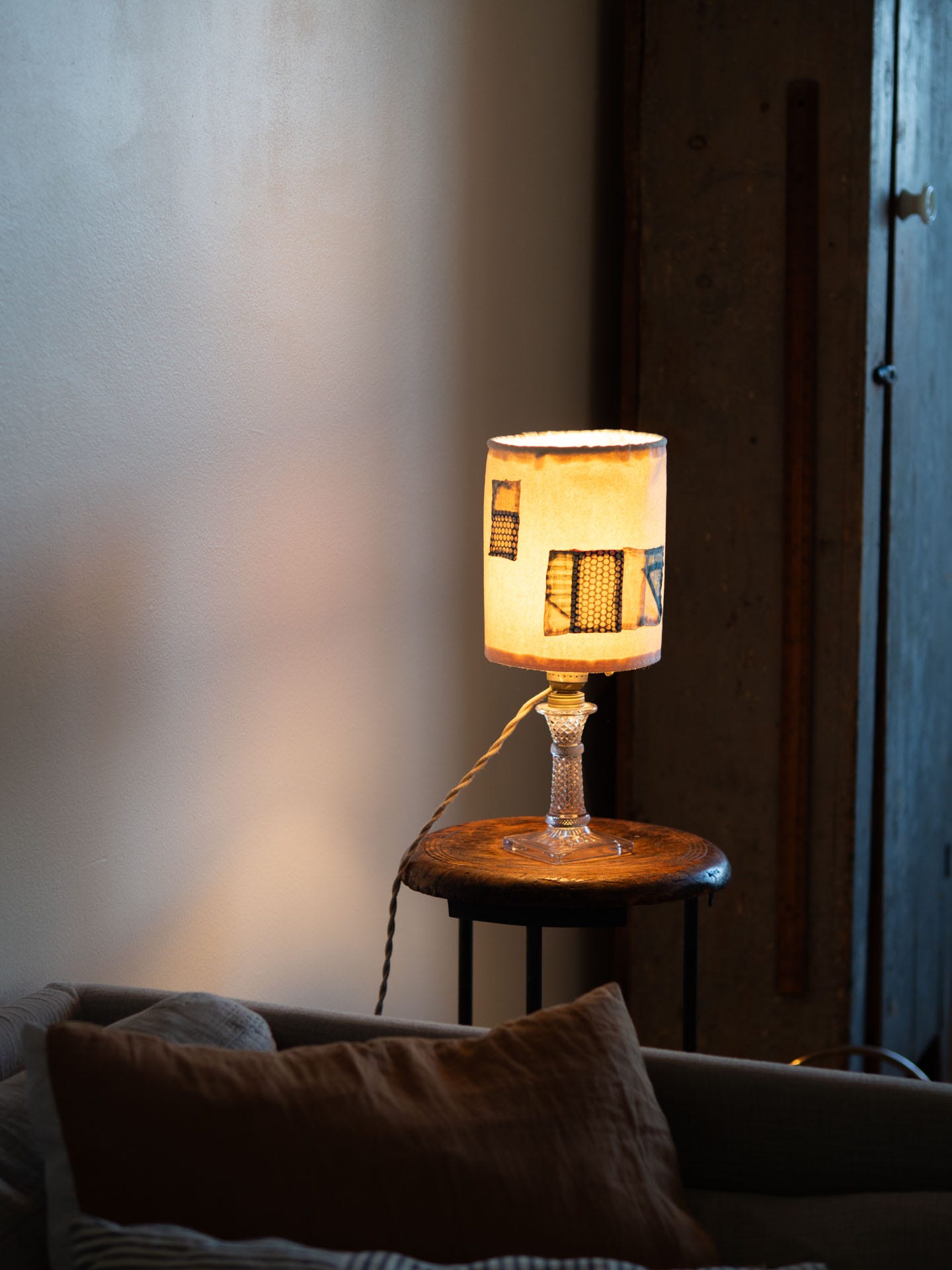
Light is a thing I’ve been thinking about a lot lately. In the winter, I make it a practice to walk, quite literally, on the sunny side of the street. In a city like New York, where the buildings are tall and the winters long, I spend the darkest months of the year zigzagging my way from place to place, crossing streets rather than walk too long anywhere where the sun isn’t. This winter, as we know, has brought days that are figuratively even darker than they are literally.
There lots of ways I hope we’re all finding to combat the figurative darkness—most especially, figuring out who is already helping and joining them how we’re able, but also doing small things like stocking our neighborhood little free libraries with zines, and figuring out how to talk to our kids, and uplifting what people a world away are asking for, all while trying our best to stay human in the face of stomach-churning inhumanity. If you need to stay focused only on those things, I more than understand.
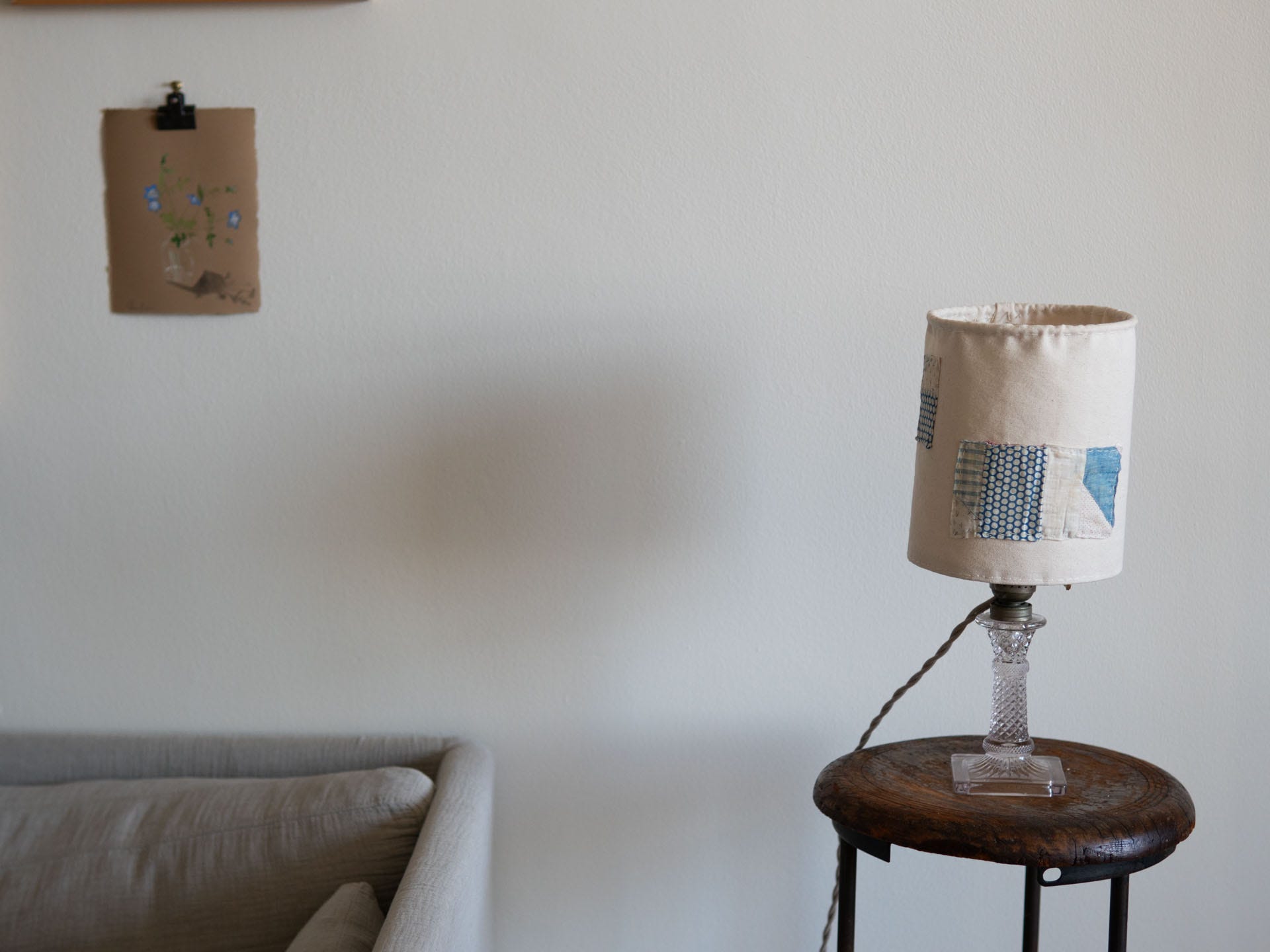
What I’m writing about today is far more literal: how to improve a home’s light fixtures without spending any money. Earlier this week, I spent twenty-minutes hand stitching antique quilt squares onto a canvas lamp shade that I made from window shade scraps a few months ago. As always, I found the quiet act of creation more nerve-settling than just about anything else. So, in case you’re in the headspace to hear about it, I thought I’d share the details of other lighting improvements I’ve made in the past six months of living in this apartment, all of them small but mighty, and very nearly free.
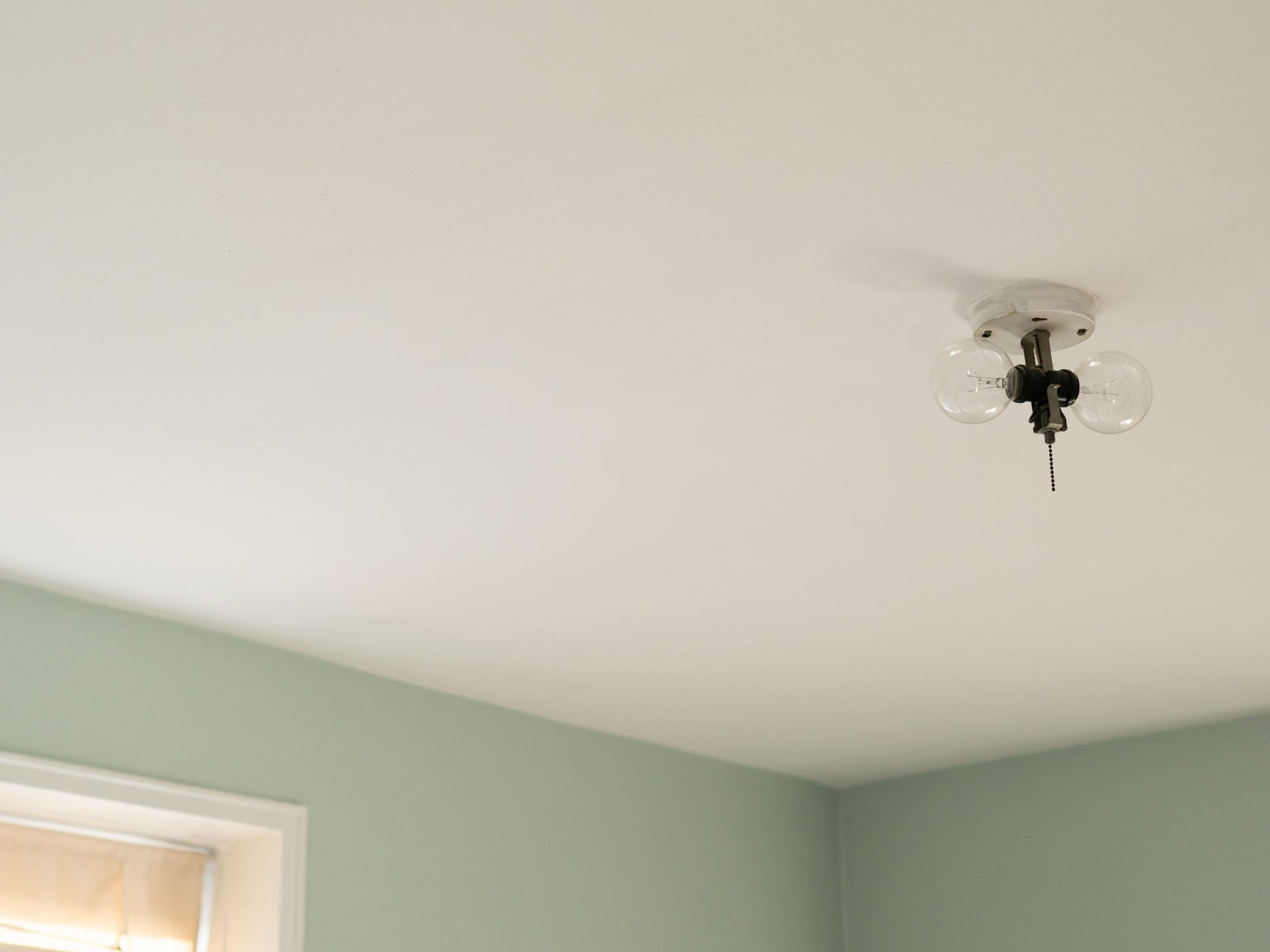
When we moved into this apartment six months ago, one of the first tasks I cued up for myself was to replace the apartment’s various ugly and broken light fixtures (see above) with simple porcelain keyless lampholders. These barebones light fixtures are about as inexpensive a home-improvement as one can make and they’re pleasant to look at if you’re into early 20th century lighting aesthetics, which of course I am.
We started in our bathroom. We removed a paint-covered and rusty double-sconce fixture and installed a single four-dollar porcelain one in its place. I have absolutely zero regrets about taking on the task, but the process was quickly very humbling. What we found when we took down the sconce was more gnarly than anything I’ve seen before, lighting wise. The wiring in this building is old and cloth-covered and the hole in the wall that had been hidden by the fixture was a mess that required patching and skim coating. Instead of repeating the process for the apartment’s four remaining ceiling fixtures, I decided to get scrappy. As in, I literally turned to my scrap pile to see what I could find.
I won’t claim that these fixes are perfect or that they’ll be exactly replicable in other situations, but in case they can offer a jumping off point, or a blueprint for scavenging your own homes for available materials, I thought I’d share the details…all in the spirit of making do.